Colac Show: grassroots sheep + wool culture
At a time when conversations about Australia’s wool industry focusses on diminishing flock sizes, unsustainable wool prices, closure of processors and cheap clothing filling our mail boxes and landfill – it is a joy to bear witness to what the wool industry looks and feels like at the grassroots in regional Australia.
Colac is a small city of 12,000 surrounded by a range of agricultural industries like dairy, forestry, cropping and pastoral farms with beef, lamb and wool. In the early colonial days an annual agricultural show helped develop standards and knowledge in these industries, which was particularly beneficial when information flowed slowly. It also reflected what was important to the community – pursuit of excellence not only in industry, but also in cultural expression in food, garden, clothing, art, craft.
For those with an interest in the various aspects of sheep – there was a multitude of ways to appreciate it at the 159th Colac Agricultural Show this past weekend.
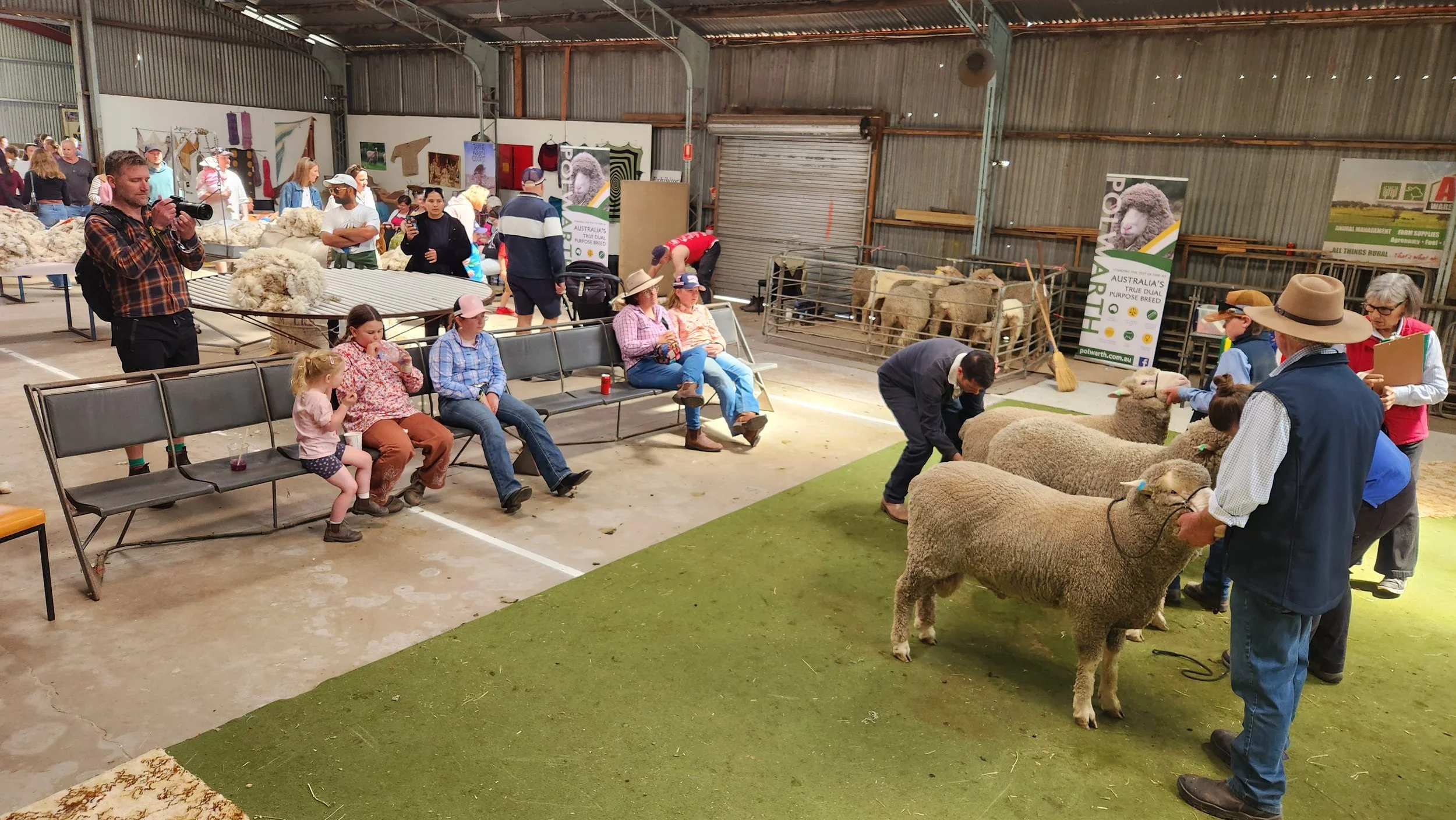
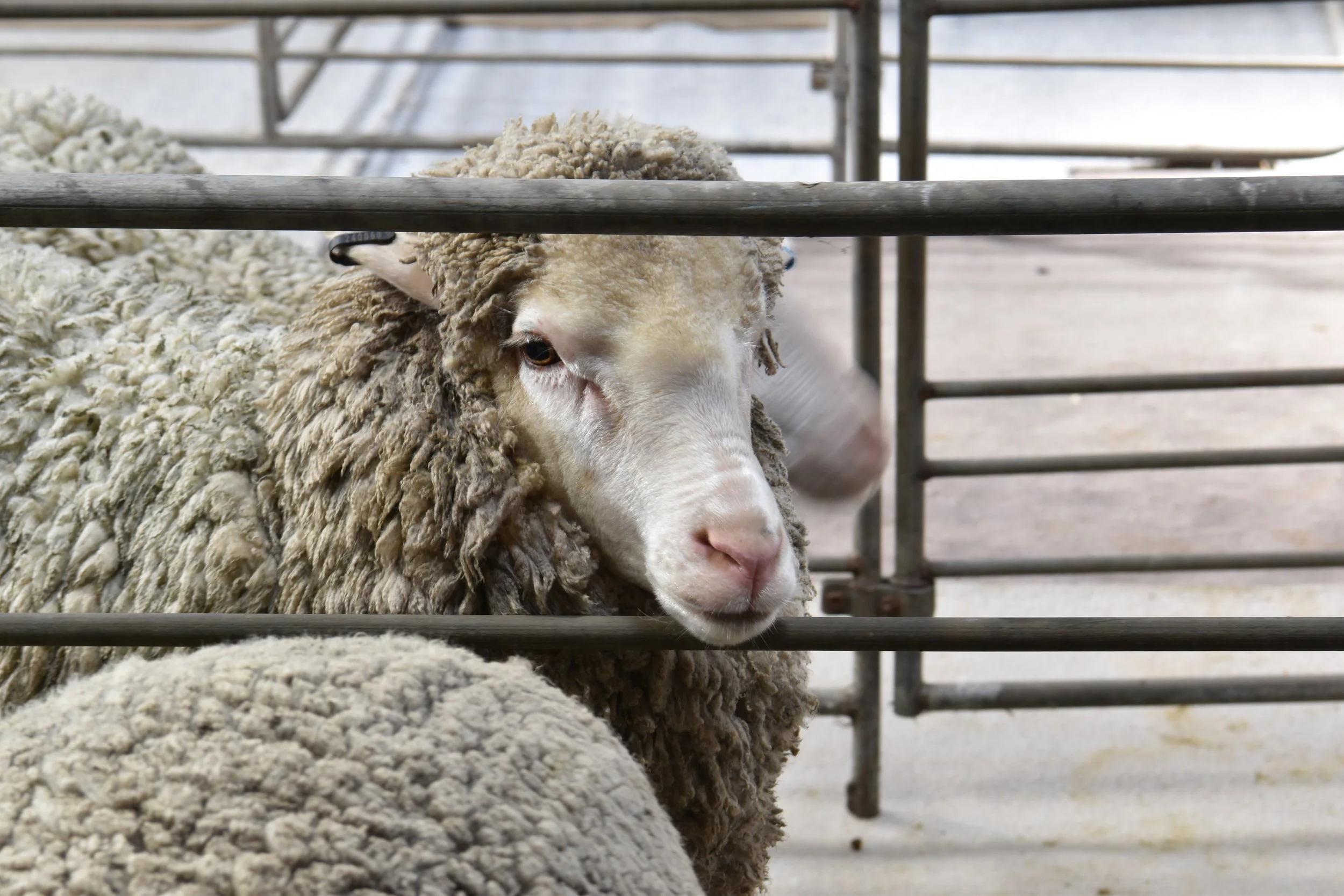
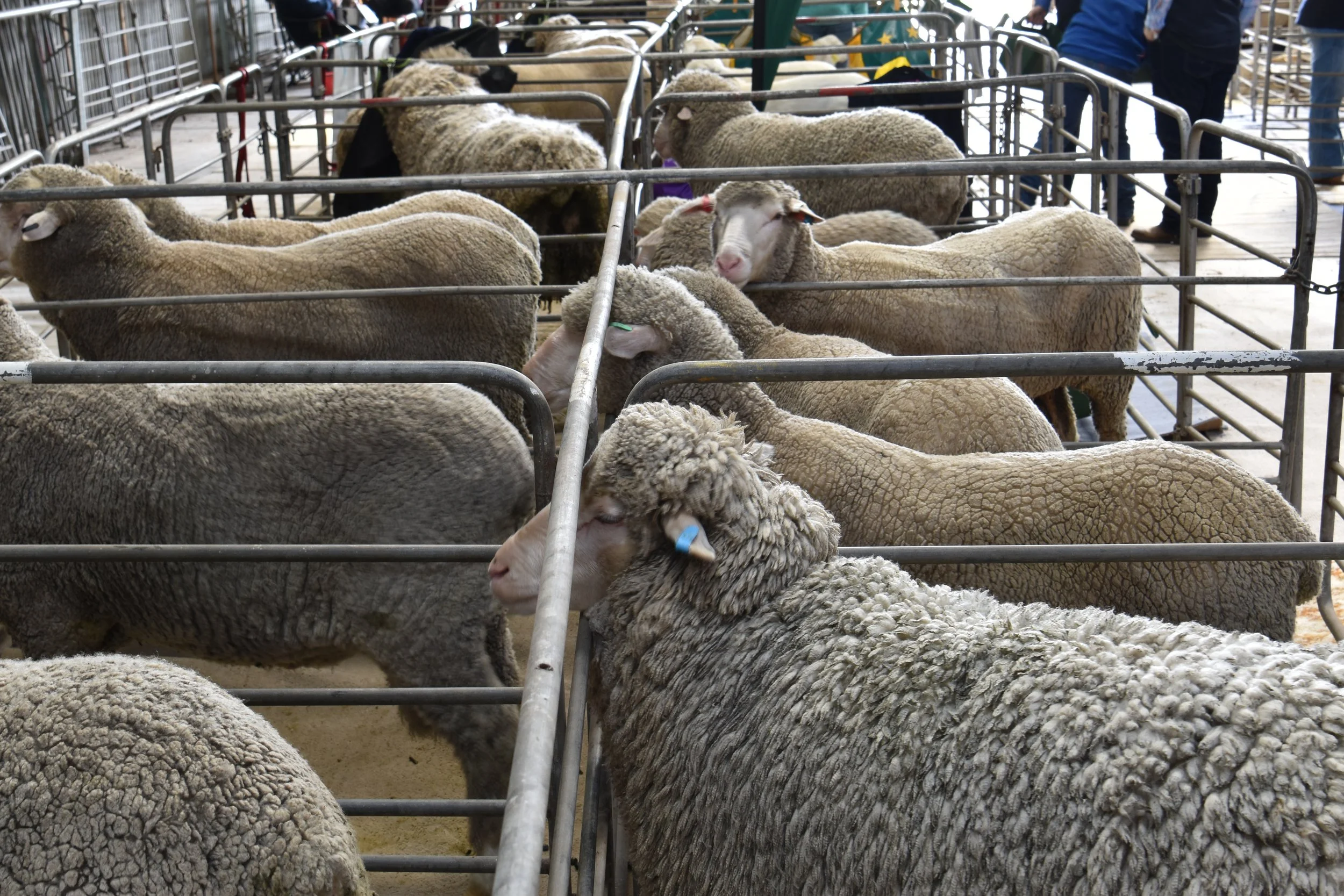
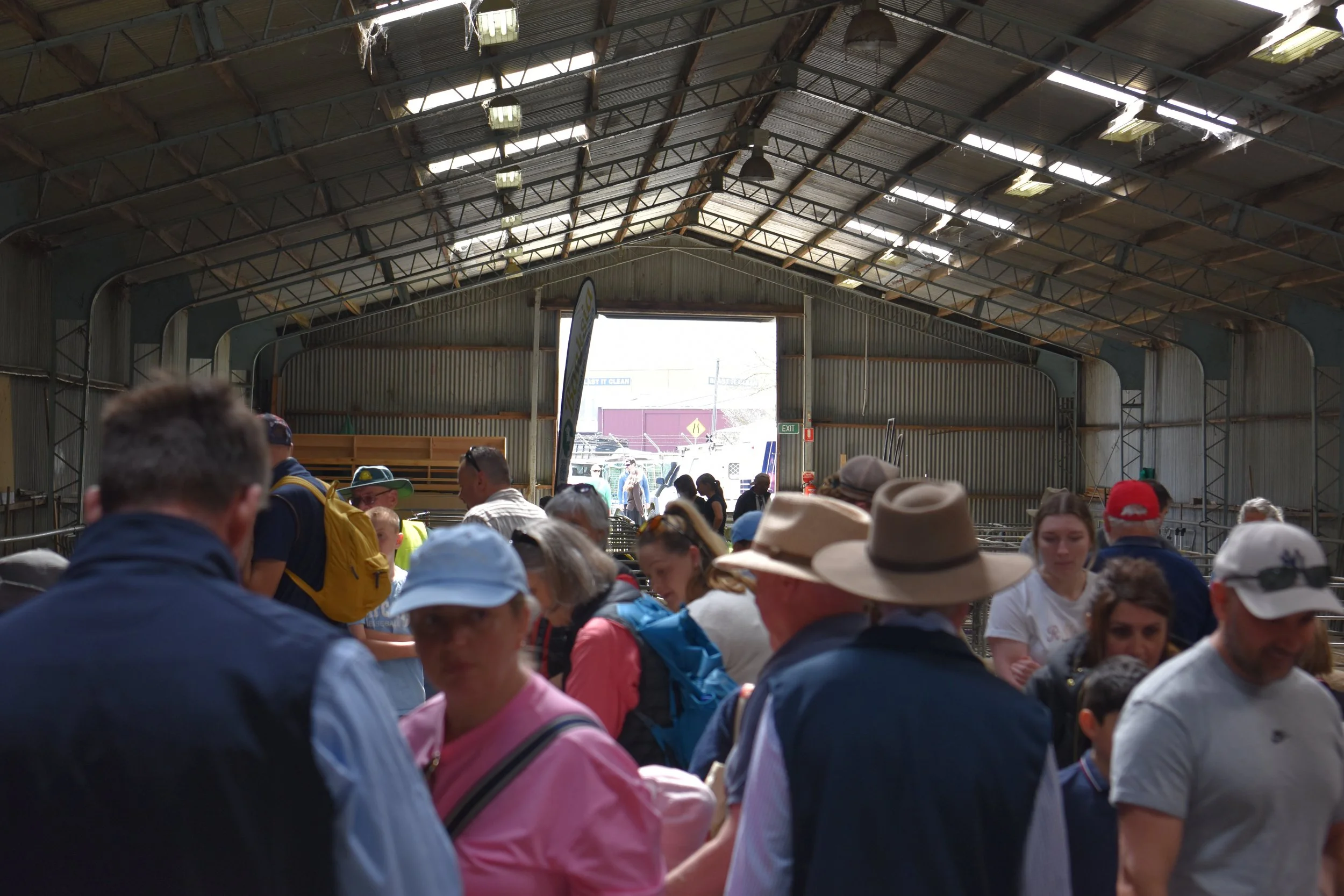
A long-standing corrugated iron clad shed near the railway line housed fine specimens of various sheep breeds including Suffolk, Polwarth, English Leicester in pens ready for pats and judging by Mr. Ellis. Ready with score sheets, ribbons and a broom were Kaye and John – unsung shed stewards.
At one end of the shed were long trestles laden with raw wool fleeces that had been put aside through the year during the rush of shearing in local woolsheds. Looking fulsome and desirous, the fleeces covered breed classes such as Merino, Corriedale, Polwarth, English Leicester, as well as Black & Coloured.
Linking the sheep and the fleeces was Ross Richards with his trusty blade shears. In an atmosphere of surprising calm, Ross showed how sheep were OK about having their wool clipped. In an up close and intimate way, show goers could say what’s on their mind: “How come they’re not trying to wriggle away? What’s the sheep’s name? There’s a cut – the sheep must be hurt. This wool is warm and sticky. They look so peaceful.”
In a newly painted corner of the shed was where sheep and wool evolve from just being a local industry, to an expression of our culture.
Equipped with combs, wheels, looms, needles, muscle memory and creativity, several women demonstrated techniques and skills converting wool into garments. To these ladies, the looks of dawning comprehension on showgoers faces as they come to understand the links between sheep, shearing, fleece, spinning, weaving and ultimately, clothes, is one of the quiet thrills that make the local ag show worthwhile.
In another similarly rustic iron clad shed, a new display of 19 skeins of hand-spun wool – some with prize winning sashes continue the links to sheep at the show. Each skein had a message describing what the spinner plans to transform the wool into – a man’s work jumper, a baby’s laceweight shawl, matching beanie and scarf. Nearby, the knit and crochet sections of the Homecraft Competition complete the transformation from the sheep we see in paddocks to something we would reach for when it’s cool. Intricate stitches on huge crochet blankets, fair isle knit jumpers in perfect colour choices, cosy mitts for kids – inspiration for the public to see what is possible to make by hand.
In the craft competition, only place getters have their names attributed to the articles on display. It’s normal to see one name span the various sections, and this year people noted Margaret’s absence and hoped she was still making beautiful items. Ruth’s name popped up often, but for her, the acclaim is an unwanted part of her mission to “make sure there’s plenty of items on exhibit” at our local shows – the same motivation to encourage uptake of woolcraft that she had in organising the crafts demonstration in the sheep shed.
It's easy to overlook the efforts in organising an event like this, and equally easy to dismiss the impact it has when crowd numbers aren’t a patch on the big city events. So to every Greg Potter who convenes the sheep and wool sheds at countless local ag shows around the world, thank you. To every young mind that saw the sheep, touched the fresh shorn wool, tried their hand at spinning and admired the finished works – please keep discovering the magic of wool.
One reason why I think sheep and wool are part of our local culture is that no-one was paid to do any of this work. They have a shared belief that sheep and wool deserve to be celebrated and take it as an honour and responsibility to do what they can to make sure the benefits are not lost.